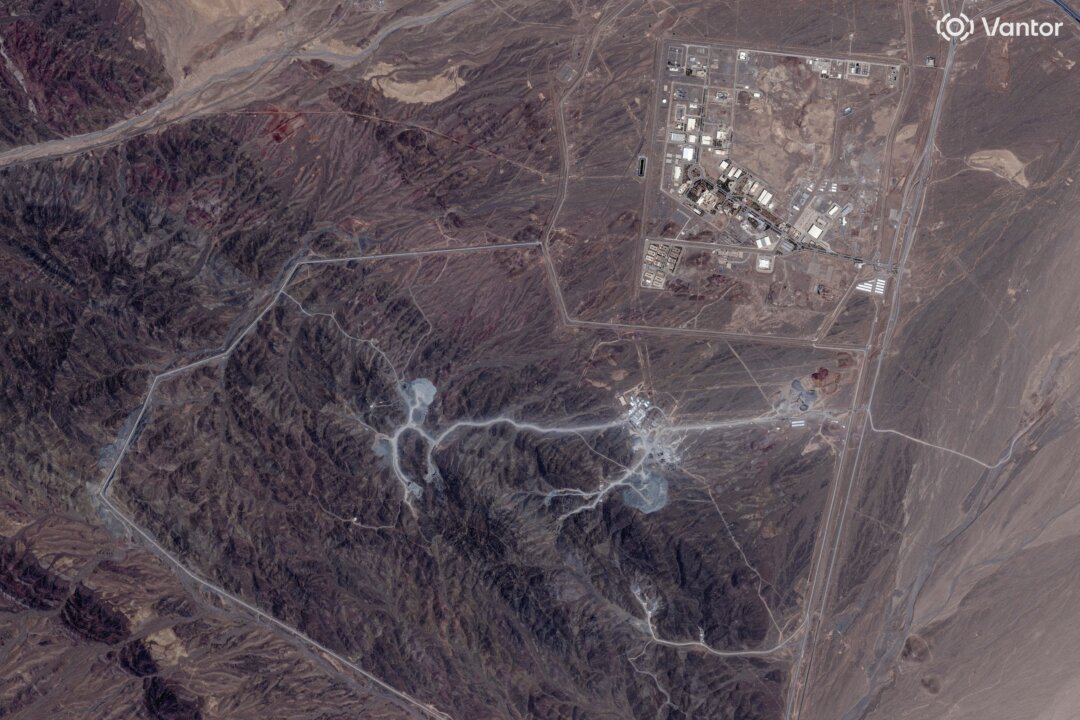


Chinese firms are using AI and open-source data to track and publicize U.S. military movements during the Iran war. These companies combine satellite imagery, flight trackers, and shipping data to produce detailed analyses of U.S. military deployments.
NDTV
chinaglobalsouth.com
Overview of Chinese AI Tracking U.S. Military Movements
Chinese firms are actively utilizing artificial intelligence (AI) and open-source data to monitor and disclose U.S. military activities, particularly during the ongoing conflict in Iran. This trend has raised concerns regarding battlefield surveillance and intelligence capabilities.
Methods Used by Chinese Firms
Data Sources
Chinese companies employ a combination of various data sources to track U.S. military movements:
Satellite Imagery: Provides visual data on troop and equipment locations.
Flight Trackers: Monitors aircraft movements, including military flights.
Shipping Data: Tracks naval deployments and logistics.
Analysis Techniques
These firms analyze the collected data to produce detailed reports on U.S. military deployments, including:
Carrier strike group positions
Aircraft concentrations
Base activities
Implications of AI Tracking
Strategic Concerns
The use of AI for military tracking poses several strategic implications:
Enhanced Surveillance: The sophistication of these tools may complicate U.S. efforts to conceal troop movements in future conflicts.
Military Integration: Some of these companies have ties to China's military, reflecting a broader strategy to integrate private-sector innovation into defense capabilities.
U.S. Response
U.S. officials have expressed mixed views on the threat level posed by these tracking capabilities. Some analysts warn that the increasing sophistication of these tools could augment China's defense capabilities, while others question their practical application in real-time military operations.
NDTV
chinaglobalsouth.com