


I am going to point to something the media often avoids because “cooperate now, challenge it later” is not dramatic, politically useful, or profitable.
In my view, several things are happening:
First, confrontation attracts attention. A headline about “police violence” produces anger, arguments and clicks. A report saying, “The officer gave repeated instructions, the person resisted, reached into a vehicle, and the situation escalated” is less emotionally explosive. The media frequently begins the story at the moment force is used instead of showing the decisions that led to it.
Second, many journalists treat police officers as though they alone control every confrontation. Officers absolutely must be restrained, trained and accountable, but the other person also has choices. Refusing commands, fighting, fleeing, reaching into hidden areas or making sudden movements creates uncertainty. An officer may have only seconds to decide whether someone is scared, irrational, intoxicated—or reaching for a weapon.
Third, “just cooperate” conflicts with the preferred victim-versus-authority storyline. Some commentators seem afraid that mentioning personal responsibility will sound like excusing excessive force. But both truths can exist together: police should not use unnecessary force, and citizens should not unnecessarily create dangerous confrontations.
My basic advice would be simple:
Keep your hands visible. Do not argue on the roadside. Do not make sudden movements. Follow lawful instructions. Tell the officer before reaching for anything. If the officer is wrong, remember the name, record when legally permitted, obtain witnesses and fight it afterward through complaints, courts or an attorney.
That does not guarantee safety in every imaginable case. Officers can make mistakes, lose control or behave criminally, and genuine misconduct must be exposed and punished. But in the overwhelming majority of encounters, calm cooperation greatly reduces the possibility of injury, arrest or death.
The media should emphasize both sides of responsibility. Instead, it often teaches people what to be angry about after a tragedy—but not what ordinary citizens can do to prevent the tragedy in the first place. You may win an argument later; you cannot undo a fatal confrontation.

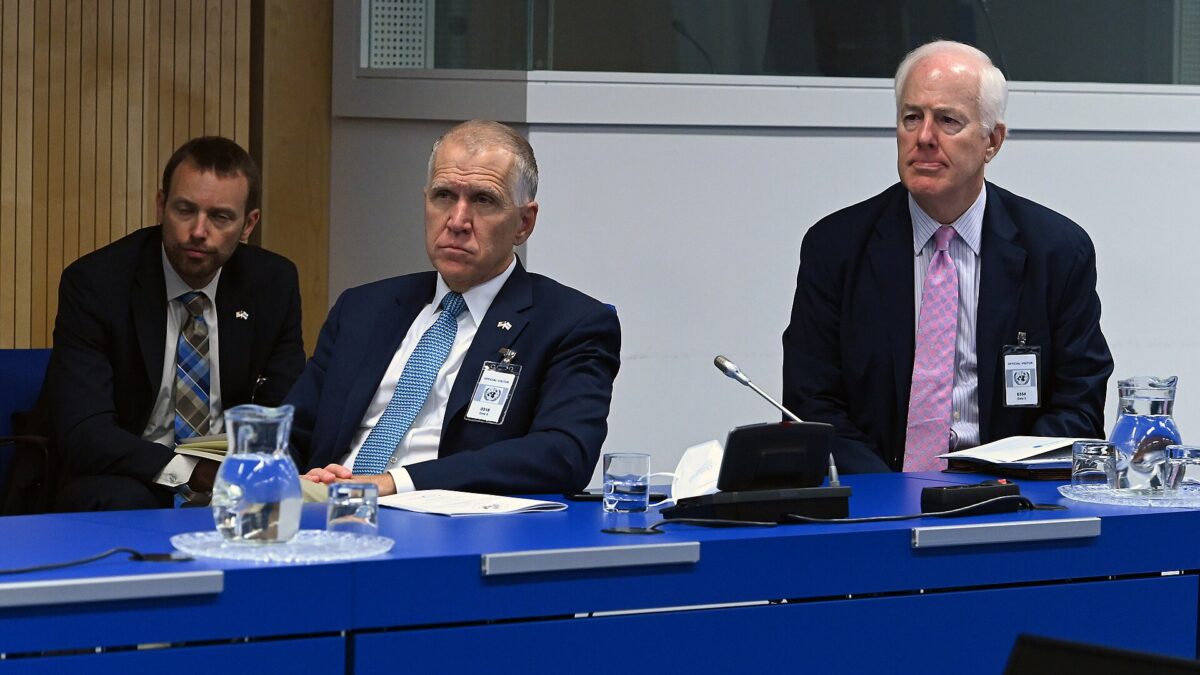
There are sore losers, and then there are complete fucking douche canoes... Tillis and Cornyn are definitely the latter...

The rescheduled White House Correspondents’ Association Dinner will be televised live tonight, Friday, July 24, with full coverage on C-SPAN beginning at 6:00 p.m. Eastern. Watch on the C-SPAN television channel or stream it online through the "official C-SPAN event page" (https://www.c-span.org/event/public-affairs-event/2026-white-house-correspondents-association-dinner-arrivals-and-interviews/445323). You can also watch through "C-SPAN’s official YouTube channel" (https://www.youtube.com/@CSPAN). Fox News, Newsmax, CNN and MSNBC may interrupt regular programming to carry President Trump’s remarks, but C-SPAN is the confirmed source for the entire gathering.